
Crafting the Perfect Drum Groove in Tech House: A Producer's Guide

Crafting the perfect drum groove in Tech House is akin to sculpting the very pulse that drives the genre's energetic yet soulful essence. This intricate process goes beyond mere beat-making; it's about engineering a rhythmic foundation that propels the dance floor into motion while maintaining a harmonious balance within the track's overall sonic landscape. To achieve this delicate equilibrium between punchiness and groove, certain programming techniques are indispensable:
Start with a Solid Kick
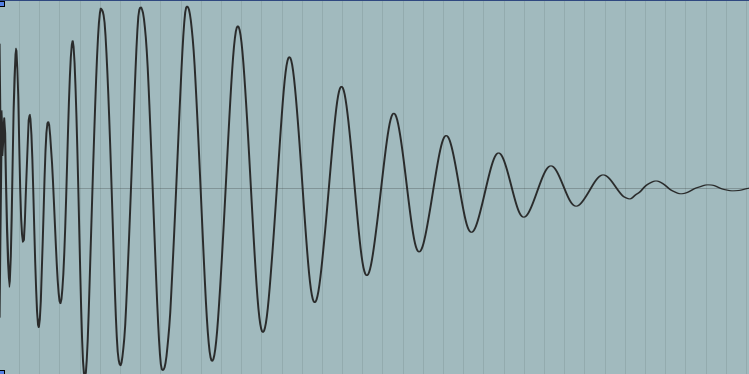
The kick drum acts as the cornerstone of your track, setting the tone for the groove's intensity and depth. In Tech House, the ideal kick is both punchy and profound, providing a robust backbone without veering into distortion. It's this kick that mimics the heartbeat of the track—steady, powerful, and compelling. Selecting the right kick sample is crucial; it should resonate well in both club systems and headphones, ensuring a versatile appeal.
"VIP (Business)" by Solardo & Joshwa. This track exemplifies the essence of Tech House with its robust and punchy kick that perfectly underpins the groove. The solid kick drum in "VIP (Business)" drives the energy forward without overwhelming the mix, providing a compelling rhythm that's irresistible on the dance floor. It illustrates the critical role of a well-crafted kick drum in laying the foundation for a Tech House track that captivates and energizes.
Snare and Clap Layering
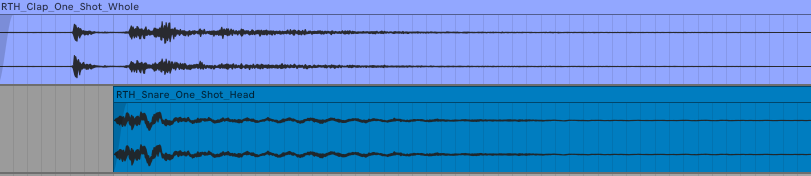
Snares and claps are the charismatic elements that inject personality into your groove. By layering a tight snare with a crisp clap on the second and fourth beats, you introduce a snappy quality that effortlessly pierces through the mix. This technique not only adds dimension but also enhances the track's dynamic range. For an added touch of realism and swing, slightly offsetting one layer from the grid can imbue your rhythm with a more organic, human feel. This subtle misalignment mimics the natural imperfections of live drumming, bringing warmth and life to the electronic soundscape.
"Switch" by Jansons feat. Dope Earth Alien. This track showcases the art of snare and clap layering in Tech House, adding a dynamic and snappy quality that enhances the track's rhythmic complexity and energy. It serves as an excellent example of how effective layering can contribute to the overall groove and appeal of a Tech House track.
Hi-Hat Patterns for Movement

Hi-hats serve as the navigators of your track's energy, guiding the listener through the ebb and flow of the groove. Beginning with a closed hi-hat on the off-beats establishes a consistent, driving rhythm that forms the backbone of your track's pace. Introducing open hi-hats or shakers adds layers of complexity and variation, preventing the pattern from becoming monotonous. Experimenting with the velocities and lengths of these hi-hat hits can further animate your groove, creating a sense of movement and evolution throughout the track. Such variations not only captivate the listener but also mirror the dynamic shifts found in live percussion performances, lending an organic texture to the digital realm.
"Hooked" by Martin Ikin. The hi-hat patterns in this track add significant movement and groove, demonstrating how varying hi-hat velocities and lengths can animate a Tech House groove.
The Role of Percussion and Rhythmic Variations
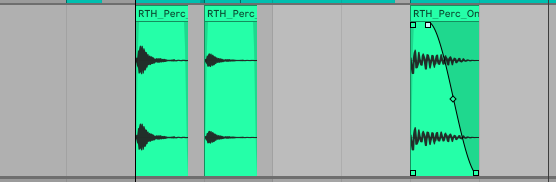
Beyond the foundational elements of kick, snare, and hi-hats, incorporating additional percussion and rhythmic variations can elevate your Tech House drum groove to new heights. Congas, bongos, and other percussive sounds can add a layer of complexity and worldly flair, while rhythmic variations and fills every few bars keep the energy dynamic and engaging. These elements should complement the main groove, weaving in and out of the mix to create a tapestry of rhythm that is both intricate and cohesive.
"Suga" by Technasia & Green Velvet. This track showcases how additional percussion elements and rhythmic variations contribute to a dynamic and engaging drum groove.
Technical Tips for Drum Programming
Creating a compelling drum groove in Tech House not only requires creativity but also a good understanding of the tools at your disposal. Here are some DAW tools and plugins that can help beginners get started with drum programming:
DAW Built-in Features
Quantize and Groove Pool: Most DAWs, such as Ableton Live, Logic Pro, and FL Studio, offer quantization features and a groove pool/library. These tools allow you to adjust the timing of your drum hits to either tighten up the rhythm or introduce a swing feel. Experimenting with different quantize settings and groove templates can help you find the perfect groove for your track.
Drum Racks/Samplers: Drum racks (Ableton Live) or samplers (Logic Pro's EXS24, FL Studio's FPC) are powerful for drum layering and programming. They allow you to assign different drum samples to pads or keys, making it easy to layer sounds and create complex drum patterns.

Unleash pure industrial energy with Terror – Hard Techno Drum Rack, a focused £1 production weapon from Mind Flux.
Inside you’ll find a fully mapped Ableton Drum Rack loaded with 16 raw one-shots — kicks, snares, toms, hats, and percussion hits sculpted for relentless impact.
Every control is macro-mapped for fast shaping, with 3 built-in snapshots to flip between tonal variations on the fly. The pack also includes 3 MIDI drum clips and 2 custom audio effect racks, giving you instant, mix-ready power straight from the first hit.
Perfect for producers who want tight, driving drums that hit hard and cut clean through any hard techno mix.
Get everything you need to build club-ready tech house tracks with the Kore Tech House Toolkit — a massive 3.4 GB collection featuring over 800 sounds. This all-in-one pack includes Serum and Diva presets, punchy drum loops, deep basslines, melodic synths, MIDI files, and Ableton drum racks.
Whether you're producing for labels like Dirtybird, Toolroom, or Solid Grooves, this toolkit delivers the essential sounds and workflow flexibility to finish tracks faster. All content is 100% royalty-free and compatible with all major DAWs.
Elevate your productions with the Punch Peaktime Techno Drum Racks, a powerful toolkit designed specifically for Ableton Live 12. Whether you're crafting the next peaktime techno hit or refining your sound with professional-grade presets, this drum rack has everything you need to create intense, floor-shaking beats.

Introducing Runner Melodic Techno Drum Rack – Your Ultimate Ableton Companion for Techno Beatmaking
Elevate your melodic techno productions with the Runner Melodic Techno Drum Rack, meticulously designed for Ableton users who demand precision, versatility, and depth in their drum sounds. This comprehensive pack not only equips you with a rich palette of high-quality samples but also empowers your creative process with intuitive control and custom audio effects racks.
Unleash the Essence of Tech House:
Immerse yourself in the pulsating rhythms of Tech House with the 'Focus Tech House Drum Rack,' meticulously crafted for Ableton. This exclusive drum rack brings the essential beats of Tech House right to your fingertips, perfect for producers aiming to create tracks that resonate with the genre's soulful energy.
What’s Inside?
One Dynamic Drum Rack: Dive into a world of rhythmic precision with a drum rack that includes 16 one-shot samples. From deep kicks to crisp snares, claps, and an array of percussion and hi-hats, each element is carefully selected to embody the essence of Tech House.
8 Macros for Ultimate Control: Shape your sound with unparalleled ease. Our intuitive macros allow you to tweak pitch, tone, compression, and spatial elements, giving you the power to tailor each beat to your creative vision.
3 Snapshot Presets: Jumpstart your creativity with three expertly designed snapshot presets. These presets showcase the drum rack's potential and offer instant inspiration for your tracks.
3 MIDI Clips for Instant Groove: Accompanying the drum rack are three MIDI clips, providing foundational grooves that you can use as-is or modify for your unique rhythmical expressions.
Elevate your melodic techno productions with the "Driver Melodic Techno Drum Rack" – your ultimate toolkit for Ableton Live. This carefully curated drum rack is designed to drive the energy of your tracks, offering a perfect blend of punchy kicks, crisp snares, shimmering hi-hats, and eclectic percussion sounds.
What’s Inside:
1 Fully-Loaded Drum Rack: Get immediate access to 16 high-quality one-shots, expertly crafted to fit seamlessly into any melodic techno composition.
3 Inspiring Snap Shots: Explore a variety of ready-to-use settings, providing instant vibe and character to your beats.
3 Engaging MIDI Clips: Jumpstart your creativity with pre-arranged patterns that showcase the drum rack's potential.
8 Customizable Macros: Enjoy the flexibility to tweak and fine-tune your sounds with intuitive macro controls, catering to your unique sonic preferences.
Elevate your peak time techno productions with the "SpaceAge_Techno Drum Rack" – exclusively designed for Ableton's renowned drum rack. At just £1, this pack offers unbeatable value, providing you with the essential tools to craft pulsating techno beats that resonate with the energy of the cosmos.
Dive into the pulsating world of Tech House with our latest offering, "Tech House Drum Racks." Designed exclusively for Ableton's renowned drum rack, this pack is a treasure trove for producers looking to elevate their tracks with the signature rhythms and grooves of Tech House.
Features:
10 Comprehensive Drum Racks: Each loaded with 16 high-quality samples, including thumping kicks, snares, crisp claps, hats, and intricate percussion.
Dynamic Control: 8 macros per rack to shape the tone, time, and space of your beats.
Snapshot Presets: 3 per rack, allowing for instant sound transformation.
MIDI Magic: 30 MIDI clips capturing the rhythmic essence of Tech House.
Dive into the pulsating heart of techno with Mind Flux's "Techno Drum Racks 3" for Ableton. Crafted with precision and passion, this pack is designed for producers who crave authenticity and innovation in their tracks. Whether you're a seasoned techno producer or just starting out, these drum racks will become an indispensable tool in your production arsenal.
Harness the raw energy of techno with 10 meticulously curated drum racks. Each rack is equipped with 16 high-quality samples, ranging from thumping kicks and snares to intricate hats and percussion. But that's just the beginning. With 8 dedicated macros, you have the power to sculpt the tone, time, and space of each sound, ensuring your drums sit perfectly in the mix.

Elevate your tech house productions with our exclusive £1 sample pack, meticulously designed for Ableton's drum rack. Dive into a sonic realm where rhythm meets innovation, and where every beat resonates with the pulsating energy of the underground.Features:
One Comprehensive Drum Rack: Loaded with 16 premium samples, capturing the essence of tech house. From thumping kicks to intricate percussions, every sample is a testament to quality and authenticity.
Dynamic Macros: Fine-tune your sound with 8 intuitive macros, offering unparalleled control over tone, pitch, and dimension. Sculpt, mold, and shape your beats to perfection.
Snapshot Presets: Switch up your sound on-the-fly with 4 snapshot presets. Instantly tweak macros to fit the mood of your track, ensuring you always stay ahead of the curve.
MIDI Clips: Kickstart your creativity with 3 MIDI clips, laying the foundation for tracks that not only make heads nod but also hearts resonate.
Whether you're a seasoned producer or just starting your journey in tech house, this pack is a treasure trove of sounds waiting to be explored. Immerse yourself in the world of tech house and let your creativity run wild.

Modern Tech House Drum Preset Pack for Ableton's Drum Rack - Only £1!
Dive into the pulsating beats of modern tech house with Mind Flux's latest preset pack tailored for Ableton's Drum Rack. For a mere £1, immerse yourself in a sonic journey that captures the essence of contemporary tech house, blending rhythmic precision with raw energy.

Step back in time and rediscover the iconic sounds of classic house music. Mind Flux brings you a meticulously designed preset pack for Ableton's Drum Rack, capturing the essence of timeless house rhythms. For just £1, unlock a treasure trove of drum sounds that have shaped dance floors worldwide, complemented by 4 custom FX audio racks to elevate your production.
Plugins for Drum Programming
Native Instruments Battery 4: Battery 4 is a comprehensive drum sampler that offers extensive sound shaping and layering capabilities. Its library includes a wide range of drum sounds suitable for Tech House, and its intuitive interface makes it easy for beginners to start programming their drum patterns.
Xfer Records Serum: While Serum is primarily known as a synthesizer, its noise oscillator and ability to import custom samples make it a versatile tool for creating unique drum sounds. Using Serum, you can layer noise or sampled hits with synthesized tones to create distinctive kicks, snares, and hi-hats. Check out how to make a clap in Serum
iZotope BreakTweaker: Designed by BT and iZotope, BreakTweaker is a drum sculpting and beat sequencing environment that goes beyond traditional drum machines. It's particularly useful for creating complex, evolving rhythms and unique drum sounds, thanks to its micro-editing capabilities and generative algorithms.
Additional Tips
Use Sidechain Compression: To make your kick drum stand out and create a pumping effect in your track, apply sidechain compression to your bassline and other elements. This technique is a staple in Tech House production and can be achieved using the compressor plugin in your DAW or dedicated plugins like FabFilter Pro-C 2.
Layer with Care: When layering drum samples, pay attention to phase issues and frequency overlap. Use your DAW's EQ and phase inversion tools to ensure your layers work together cohesively, rather than canceling each other out or muddying the mix.
Prioritize Groove Over Complexity: In Tech House, the groove is king. The allure of this genre lies not in the complexity of its melodies or the number of elements crammed into a track, but in the hypnotic, driving rhythm that keeps the dance floor alive. Focus on refining the groove of your drum patterns and basslines. Experiment with subtle variations in rhythm, timing, and velocity to create a groove that feels alive and compelling. Remember, a simple pattern with a captivating groove often holds more power on the dance floor than a complex pattern that lacks feel. Use tools like swing and groove quantize in your DAW to add a human touch to your beats, making them more dynamic and danceable.
Conclusion
In crafting the drum groove for a Tech House track, the goal is to create a rhythm that is both compelling and balanced. It's about constructing a groove that serves as the driving force of the track, compelling the listener to move while seamlessly integrating with the other musical elements. Through careful selection of samples, thoughtful layering, and strategic variations, you can create a drum groove that not only defines the heartbeat of your track but also captures the essence of Tech House
290 sounds engineered for speed, pressure and structural damage.
NULLFORM exists at the point where rhythm stops feeling human.
Built for schranz, hard techno and the harsher edges of industrial club music, this focused collection moves through relentless drum pressure, corroded synth movement, metallic percussion, destabilised atmospheres and FX that feel embedded in the machinery of the track.
At the centre of NULLFORM are 137 loops designed to establish immediate movement without forcing you into a finished idea. Start with 50 driving drum loops, then introduce bass, synth, atmosphere and FX layers to build weight, friction and tension around the groove.
Ableton Techno Drum Racks Vol 2 is a complete drum production toolkit for building raw, driving and club-ready techno grooves inside Ableton Live. Packed with 10 custom Drum Racks, 125 one-shot drum sounds, 30 ready-made drum clips and 4 creative Audio Effect Racks, this pack gives you a fast and inspiring way to create powerful techno rhythms from scratch.
Each Drum Rack has been designed to help you move quickly from idea to groove, with carefully selected sounds that work together straight away. You can program your own patterns, drag in the included clips for instant rhythm starters, or use the one-shots to build completely custom drum tracks. From punchy kicks and rumbling low-end to tight hats, sharp claps, raw percussion, cymbals, FX and synth hits, everything is built to sit naturally in modern techno productions.

Solara is a collection of Latin House loops built to bring groove, warmth and movement into your productions.
Focused on rhythm and flow, this pack delivers a tight selection of drums, percussion, musical elements and textures designed to work together inside modern house and tech house tracks.
All sounds are processed and ready to drop straight into your project.
Raw Voltage is a powerful Serum 2 toolkit built for producers creating Peak Time Techno, Hard Techno and Raw Techno.
This pack delivers aggressive basslines, driving sequences, dark atmospheres and powerful synth textures designed for modern techno production. Every sound has been crafted to cut through a club mix while keeping the raw energy and industrial edge that defines today’s peak-time sound.
Raw Voltage goes far beyond a traditional preset pack. Alongside 91 Serum 2 presets, you’ll also get a large collection of clips, clip banks, FX chains and LFO shapers that unlock new creative possibilities directly inside Serum 2.
To help you build tracks faster, the pack also includes MIDI loops, audio loops and one-shots that integrate perfectly with the presets. Drag, drop and start building powerful techno grooves instantly.
Whether you're producing warehouse techno, driving peak-time tracks or dark underground grooves, Raw Voltage gives you a complete toolkit for modern techno production.

Orion is a focused deep house pack built around groove, movement and musicality. From rolling basslines and punchy drum loops to expressive musical elements, flexible MIDI and clean one-shots, everything is designed to work together quickly and sit naturally in a mix.
The pack balances deep house warmth with tech house energy, making it ideal for producers working across deep, melodic, disco-influenced and modern house styles. Use the audio loops for instant inspiration, shape your own ideas with the MIDI folders, or build grooves from scratch using the carefully curated one-shots.
Whether you’re sketching ideas fast or tightening a finished track, Orion is built to keep momentum high.
Refract cuts straight to the core of modern tech house. Built for producers who want tight low-end, crisp percussion, colourful synth work and vocals that bounce, this pack delivers a full toolkit of loops and one-shots designed for fast workflow and club-ready results.
Inside you’ll find driving drum grooves, punchy basslines, saturated synth stabs, rolling arps, warm pads, playful vocal loops and a wide range of one-shots for building your own patterns from scratch. Everything is locked to 125–132 BPM and written across various minor keys, giving you instant inspiration for both underground and mainstage styles.
The sound is clean, modern, and designed to sit straight into a mix. This is Mind Flux tech house: detailed sound design, tight transients, characterful processing and tools that make writing feel effortless.
Whether you’re sketching new ideas, building full tracks, or expanding your personal sample library, Refract gives you the colour, movement and groove to push your music forward.
Unleash pure industrial energy with Terror – Hard Techno Drum Rack, a focused £1 production weapon from Mind Flux.
Inside you’ll find a fully mapped Ableton Drum Rack loaded with 16 raw one-shots — kicks, snares, toms, hats, and percussion hits sculpted for relentless impact.
Every control is macro-mapped for fast shaping, with 3 built-in snapshots to flip between tonal variations on the fly. The pack also includes 3 MIDI drum clips and 2 custom audio effect racks, giving you instant, mix-ready power straight from the first hit.
Perfect for producers who want tight, driving drums that hit hard and cut clean through any hard techno mix.

Featuring Diva • Hive • TyrellN6
11 Preset Packs • 900+ Presets + Bonus Loops & MIDI
Built for Techno, Tech House & Melodic Techno producers
Unlock the full sonic potential of your U-He synths with the U-He Vault — a professionally curated bundle featuring Mind Flux’s complete preset collection for Diva, Hive, and TyrellN6.
From weighty basslines and evolving pads to saturated leads and percussive plucks, every preset is designed for modern underground music — powerful, musical, and ready to drop straight into your mix.
Whether you're sculpting peak-time techno, deep tech house grooves, or melodic journeys, this collection gives you the tonal range and production speed to move fast and finish strong.

Enter Magnetik, a soundbank that channels the iconic warmth and punch of Arturia’s Mini V. Built for melodic techno and progressive house producers, Magnetik fuses vintage analog character with modern dancefloor energy. From hypnotic basslines and soaring leads to lush pads and textured arps, every sound has been designed to spark inspiration and translate seamlessly into your tracks.
Modern, emotive techno from a classic engine — 100 Jun-6 V patches with matching audio loops and MIDI (where useful) to get ideas moving fast.
Voltage distils the warmth and chorus glow of the Juno into a focused melodic-techno toolkit. Inside you’ll find rolling bass, gliding leads, widescreen pads, hypnotic arps, punchy stabs, expressive plucks, styled FX and drum patches that lock to the groove. Every sound is dialled for instant impact and macro’d for movement. To speed you up, we’ve included corresponding audio loops and MIDI for tonal parts so you can drag, drop and build without friction.
Step into Elysium, the ultimate Serum 2 toolkit for producers exploring the emotional depths of Melodic Techno and Progressive House. Designed to spark instant inspiration and provide endless sonic flexibility, Elysium combines expressive presets, drag‑and‑drop loops, and custom sound‑design tools to elevate your productions.
Crafted by the Mind Flux team, each sound has been meticulously designed to deliver lush atmospheres, punchy low‑end grooves, and euphoric leads — perfect for crafting tracks that flow between deep melodic journeys and peak‑time energy.
Inside, you’ll find ready‑to‑use Serum 2 presets paired with clip banks, MIDI and audio loops, effect chains, and custom wavetables and LFO shapes, giving you everything you need to build tracks fast or dive deep into sound design.

Unleash Acid Techno Power: 52 Presets & Loops
Pure Acid. Raw Techno. Sequenced Power.
This focused sound pack for Arturia’s Acid V delivers the essential toolkit for producers looking to infuse their tracks with the unmistakable squelch, drive, and energy of modern acid techno.
Inside you’ll find 52 fully-designed Acid V presets — combining resonant acid basslines, modulated synth leads, sharp plucks, and FX-driven textures. Each preset takes full advantage of Acid V’s expanded sequencer, accent/slide control, and onboard effects, delivering a punchy, sequence-ready sound that locks straight into your groove.
To jumpstart your ideas, we’ve also included 51 audio loops built from the presets — tempo-synced at 134 BPM and key-labeled for quick integration. These loops range from evolving acid sequences to one-bar rollers, all engineered for the club.

Nebula is a high-end sound collection built for producers working at the intersection of atmosphere and impact. Designed specifically for melodic house, progressive house, and melodic techno, this pack delivers a full creative toolkit that combines analog character with detailed, modern sound design.
Created using a refined selection of hardware synths and processing gear, every sound in Nebula was crafted to be expressive, immersive, and mix-ready. This isn’t just another pack of one-shots and loops — it's a forward-thinking production resource engineered to help you write music with purpose, emotion, and sonic depth.
Whether you're layering hypnotic sequences, sketching out peak-time drops, or sculpting expansive breakdowns, Nebula gives you the textures, tones, and tools to move fast and stay in flow.

Get all of our Xfer Serum preset packs in one massive collection—400+ sounds designed for techno, tech house, and melodic techno production.
From gritty basslines and sharp plucks to wide pads and evolving FX, this bundle pulls together every Serum release from Mind Flux so far. Whether you're building from scratch or fine-tuning a track, these presets are built for creative speed, pro-grade tone, and workflow ease.
Every preset is dialled in for clarity, balance, and immediate use—no endless tweaking required. Just load them into Serum and start shaping your next release.
Grit, groove, and analog heat.
The Raw Techno Sample Pack from Mind Flux delivers a heavy arsenal of driving drum grooves, modular synth sequences, saturated basslines, and processed FX loops — designed for industrial, peak-time, and minimal techno.
Whether you're producing a raw basement banger or layering modular textures into your next warehouse jam, this pack gives you versatile material for fast inspiration and serious impact.
Each loop is tempo-labeled and built to sit right in the mix. Load them up, twist them with your own processing, or drag in the MIDI to make it entirely your own.
Raw Techno features 20 bass lines, 20 midi bass loops, 47 drum loops, 20 kick loops, 20 percussion loops, 46 top loops, 20 fx loops, 20 synth loops and 20 midi synth loops

Elevate your sound design with Hive Techno Presets—a meticulously crafted collection tailored exclusively for U-HE Hive. Designed for producers who demand cutting-edge tools, this pack offers a curated selection of presets and loops that bring your tracks to life with precision and character. Whether you’re diving into the pulsating rhythms of Techno, exploring the immersive depths of Hypnotic Techno, crafting intricate grooves in Minimal Techno, or building anthemic vibes in Melodic Techno, this pack has everything you need to spark inspiration and keep your creativity flowing.
From brooding underground beats to peak-time festival bangers, Hive Techno Presets delivers a sonic palette that captures the essence of modern electronic music. With its versatile range of sounds, this pack is equally suited for creating driving basslines, ethereal atmospheres, and hypnotic leads, ensuring your productions stand out in any setting—from intimate clubs to massive arenas.
Introducing Titian: The Ultimate Toolkit for Techno Producers
Titian is an innovative and versatile 2GB+ sample and preset collection, meticulously designed to inspire and empower electronic music producers. Packed with over 400 loops, 400+ one-shots, 57 MIDI files, and custom instrument racks for Ableton Live, Titian delivers everything you need to craft immersive soundscapes, driving rhythms, and explosive drops.
Whether you're producing techno, house, breakbeat, or experimental electronic music, Titian ensures your tracks stand out with professional-grade sounds and endless creative possibilities.
Unleash the full power of Arturia Pigments with Pigments Tech House Presets 1, a meticulously crafted collection designed to ignite your creativity in the Tech House genre. Featuring 52 cutting-edge presets, this pack provides all the essential elements you need to build the foundation of your next track.
Get everything you need to build club-ready tech house tracks with the Kore Tech House Toolkit — a massive 3.4 GB collection featuring over 800 sounds. This all-in-one pack includes Serum and Diva presets, punchy drum loops, deep basslines, melodic synths, MIDI files, and Ableton drum racks.
Whether you're producing for labels like Dirtybird, Toolroom, or Solid Grooves, this toolkit delivers the essential sounds and workflow flexibility to finish tracks faster. All content is 100% royalty-free and compatible with all major DAWs.

A Free Collection of Cutting-Edge Techno Tools
Get a taste of the underground with the Ableton Techno Taster, a powerful and versatile free collection designed to fuel your creativity. Spanning the genres of Tech House, Peaktime Techno, Raw Techno, and Minimal, this pack provides everything you need to craft high-energy, driving tracks that stand out in today’s music landscape.
Elevate your productions with the Peaktime Techno Taster, a specially curated selection of loops designed to bring the energy and intensity of peaktime techno to your tracks. Whether you’re a seasoned producer or just getting started, this pack provides essential sounds that will help you craft hard-hitting, club-ready tracks.
Elevate your productions with the Punch Peaktime Techno Drum Racks, a powerful toolkit designed specifically for Ableton Live 12. Whether you're crafting the next peaktime techno hit or refining your sound with professional-grade presets, this drum rack has everything you need to create intense, floor-shaking beats.

Introducing 'Pigments Melodic Techno Presets' – Your Essential Sound Collection for Melodic Techno Production
Unlock the potential of your productions with 'Pigments Melodic Techno Presets', inspired by the luminaries of the melodic techno scene. Drawing inspiration from industry giants like Anyma, Tale Of Us, Maceo Plex, and Stephan Bodzin, and celebrated labels such as Afterlife, Diynamic, and Innervisions, this collection is crafted to infuse their profound depth and sophistication into your tracks.

Discover the "Melodic Techno Taster" – Your Pathway to Unique Soundscapes
Transform your productions with the "Melodic Techno Taster," a carefully selected sample pack that captures the modern melodic techno vibe. Drawing inspiration from renowned artists like Anyma, Tale Of Us, ARTBAT, and Stephan Bodzin, this free pack merges emotional melodies with powerful rhythms that define today’s top melodic techno tracks.

Elevate your tech house tracks with the "Fly_Tech House Drum Rack," a meticulously crafted toolkit designed exclusively for Ableton Live. Perfect for producers seeking to push their creative boundaries, this drum rack combines premium quality with intuitive design, ensuring your beats stand out in the bustling tech house scene.

Dive into the deep and pulsating world of tech house with our latest offering, "Afterhours Tech House." Crafted for the nocturnal soundscapes of modern dance floors, this pack draws inspiration from the genre-defining grooves of classic figures like Carl Cox and Green Velvet, alongside contemporary trendsetters such as Fisher, Solardo, and Patrick Topping.

Dive into the dynamic world of tech house with 'Switch Tech House,' your quintessential toolkit for creating standout tracks that pulse with the vibrant energy of today's tech house scene. Perfectly tempoed at 127 BPM and featuring a diverse mix of keys and scales, this meticulously curated collection offers a rich palette of sounds to fuel your creativity. Whether you're sculpting a deep, groovy baseline, designing intricate drum patterns, or layering ethereal synths, each element in this pack is crafted to not only fit seamlessly into your projects but to elevate them.
Ableton Techno Drum Racks Vol 2 is a complete drum production toolkit for building raw, driving and club-ready techno grooves inside Ableton Live. Packed with 10 custom Drum Racks, 125 one-shot drum sounds, 30 ready-made drum clips and 4 creative Audio Effect Racks, this pack gives you a fast and inspiring way to create powerful techno rhythms from scratch.
Each Drum Rack has been designed to help you move quickly from idea to groove, with carefully selected sounds that work together straight away. You can program your own patterns, drag in the included clips for instant rhythm starters, or use the one-shots to build completely custom drum tracks. From punchy kicks and rumbling low-end to tight hats, sharp claps, raw percussion, cymbals, FX and synth hits, everything is built to sit naturally in modern techno productions.